
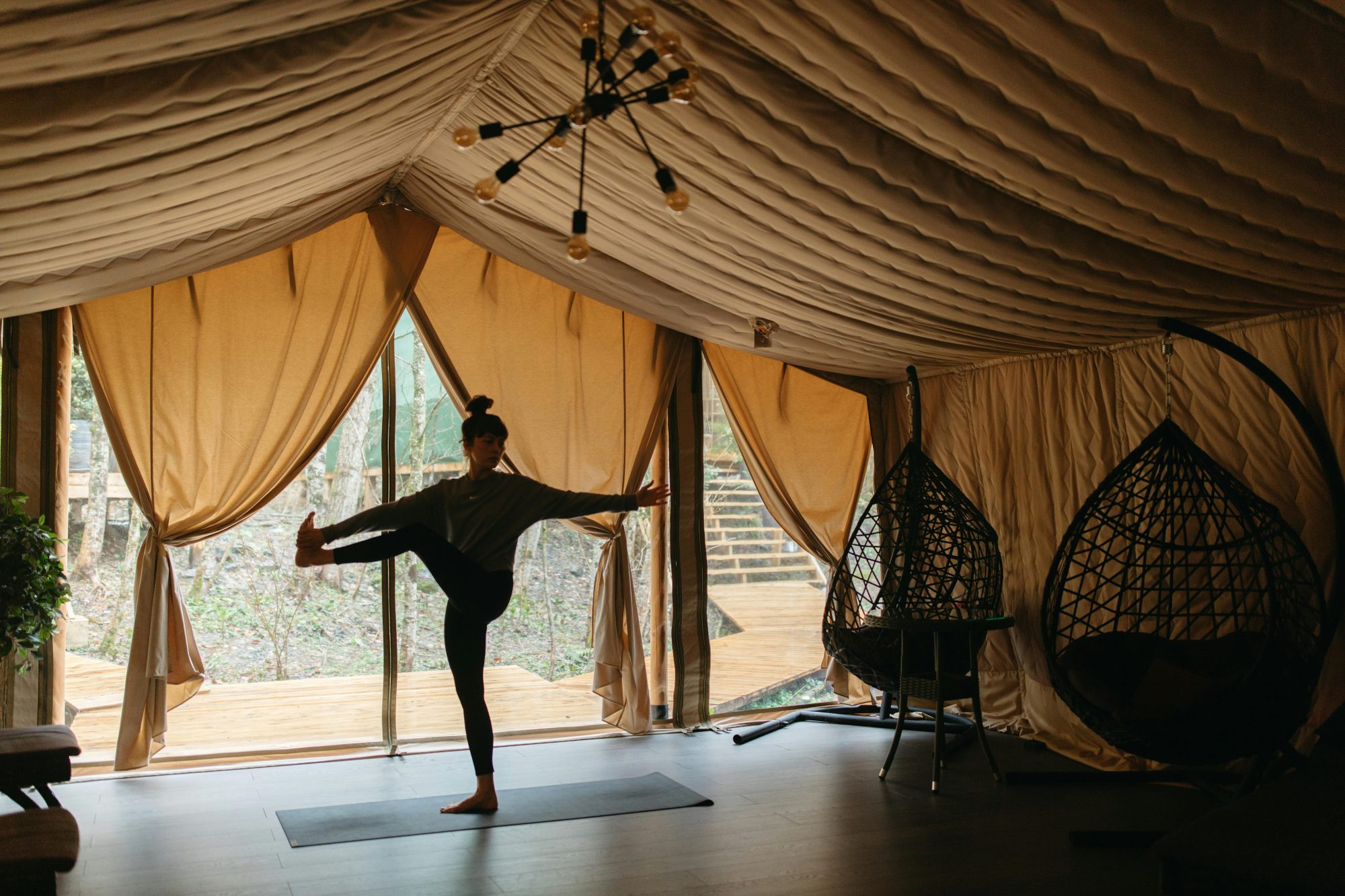
Not long ago, at-home wellness design meant a treadmill facing a wall-mounted television. But today, our clients are asking for something far more nuanced. The “home gym” concept has evolved into a desire for a restorative sanctuary — an intentional space for exercise, but also yoga, meditation, breathwork, and quiet recalibration. In the world of design, the wellness room has become all about the exhale.
No longer just a repurposed corner of a basement, these rooms are thoughtfully composed retreats that support holistic living, often incorporating integrated heat therapy. At Sprinkman Design, we’re proud to partner closely with specialized red light sauna installers, to deliver best-in-class resources and service to our clients — and ensure these elements are seamlessly woven into your design vision.
So how do we create a wellness room that is a functional, beautiful space and a truly restorative experience? We invite you to take a look:
From Fitness to Feeling
Unlike traditional workout rooms, wellness spaces prioritize a sensory experience. Crafted for ritual — rolling out a mat at sunrise, practicing mindfulness at dusk, unwinding in a red light sauna after a long day – these rooms don’t just get by on function alone; they also demand atmosphere.
Designing for intentional wellness means considering every inch of how a space sounds, feels and smells. It is about creating a setting that gently cues the nervous system to soften. The result is a room that supports increased emotional clarity and a more grounded lifestyle.
Location Is Everything
The heart of a successful wellness room lies in how the space is planned and used. Privacy and separation are key. While a Peloton may tolerate the buzz of household activity, meditation rarely does.
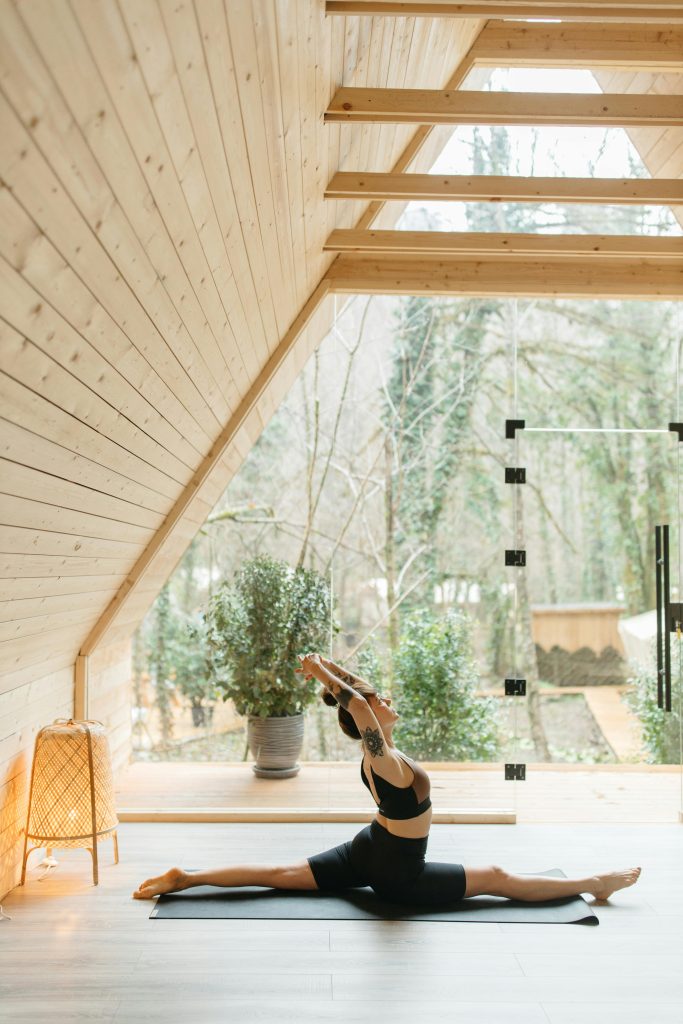
Ideal locations often include a spare bedroom, a sunroom with filtered natural light, a quiet lower level, or an extension of the primary suite. Outdoor-adjacent rooms are particularly compelling, offering seamless access to fresh air and reinforcing a connection to nature. When space allows, situating the wellness room near a garden or terrace can elevate the entire experience.
Equally important is acoustic consideration. These environments benefit from distance from high-traffic zones such as kitchens and living rooms. Sound control – both preventing outside noise and softening interior acoustics – ensures the room feels like a retreat versus an afterthought.
Designing the Sensory Experience
A wellness room should feel grounded, calming, and tactile. As such, the material palette plays a central role to bespoke design.
Flooring must support comfort, but also stability. Cork offers warmth and gentle cushioning underfoot. Engineered wood layered over acoustic underlayment provides a natural aesthetic with sound absorption. In some cases, discreet rubber substrates enhance joint comfort. Radiant heat beneath the floor is an understated luxury that transforms early morning practice into a ritual rather than an avoidance of tension-filled cold surfaces.
Wall treatments contribute both visually and acoustically. Acoustical panels upholstered in soft textiles can be seamlessly integrated into the design. Limewash and plaster finishes diffuse light beautifully while adding subtle movement. Integrated speaker systems, concealed within millwork or wall assemblies, allow for immersive sound without visual clutter.
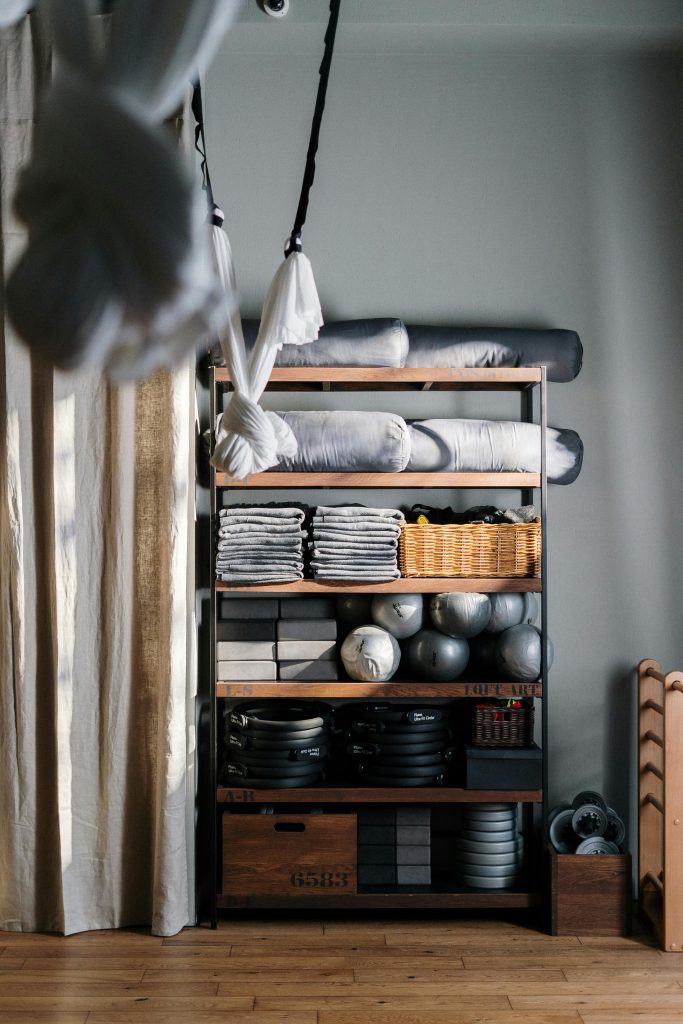
Concealed storage is also essential. Custom built-ins discreetly house mats, bolsters, blocks, and blankets, preserving visual serenity. A clutter-free environment supports mental clarity while thoughtful millwork ensures the room remains composed even in daily use.


Lighting as a Mood Architect
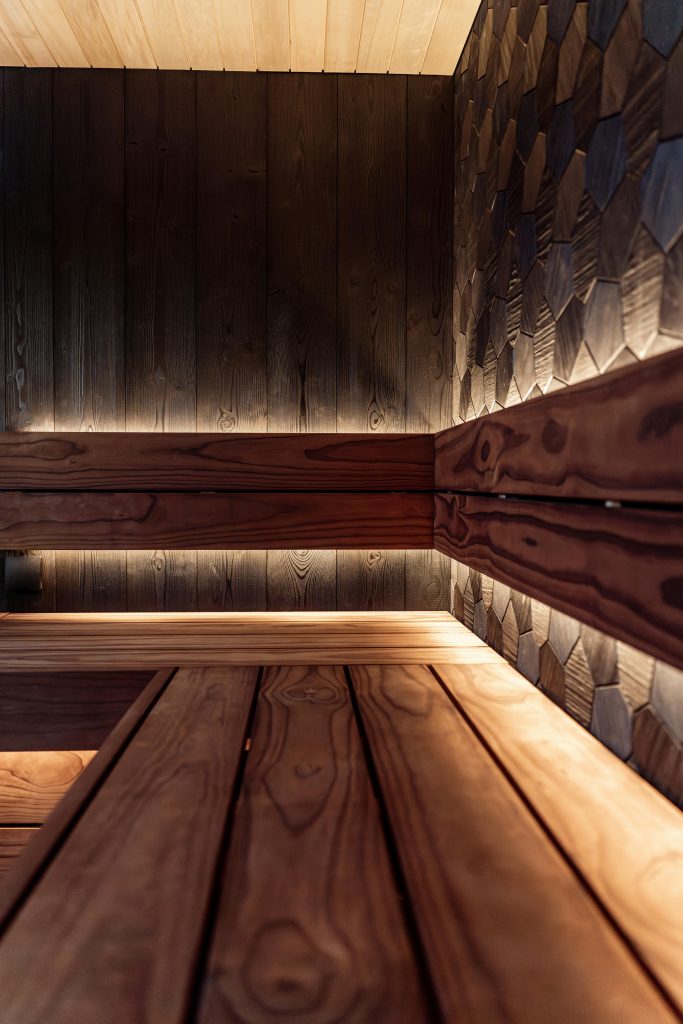
Lighting may be the most transformative – and hardest working – element in a wellness room. Layered, dimmable systems allow the space to evolve throughout the day. Warm color temperatures encourage relaxation, while indirect lighting washes walls in a gentle glow.
For more intimate areas, slightly lower ceiling heights paired with varied ambient lighting create a cocooning effect. Cove lighting, concealed LED strips, and softly illuminated niches add depth without glare. The goal is not brightness, but atmosphere and intention.
Texture, Nature, and the Human Touch
A well-designed wellness room thrives on texture — the layered interplay of elements that invite both grounding and restoration. Materials such as plaster, limewash, natural wood, woven fibers, and stone establish a tactile dialogue with the outdoors, no matter the room’s location. These materials anchor the space, ensuring it feels warm, organic and restorative rather than sterile.
Feature elements such as salt walls or sculptural plaster installations can become focal points while contributing to the room’s calming aesthetic. Even subtle details –like a woven wall hanging or a stone plinth for meditation – underscore the space’s quiet sense of purpose.
Scent, often overlooked, deserves equal consideration. Discreet niches for essential oil storage and diffusers, allow aromatherapy to become an integrated ritual rather than an afterthought. Proper ventilation planning is critical — particularly when integrating a sauna or other heat-based wellness element.

To ensure a beautiful, best-in-class result, we partner with trusted specialists in the planning and installation of infrared sauna rooms. This collaboration allows us to coordinate mechanical requirements, spatial layout, and material selections from the outset — elevating our service while ensuring every detail feels seamless within the overall design vision.
Custom Features that Elevate the Experience
The most inviting wellness rooms are shaped around the rituals that bring comfort and calm to daily life. Built-in daybeds or raised floor platforms create a natural place for restorative yoga, journaling, or quiet reading. Thoughtfully designed tea and hydration stations – complete with filtered water taps and beautiful ceramic storage – encourage mindful pauses throughout the day. Dedicated cabinetry for plush towels and robes further enhances the spa-like atmosphere, making the space feel both intentional and effortlessly lived in.
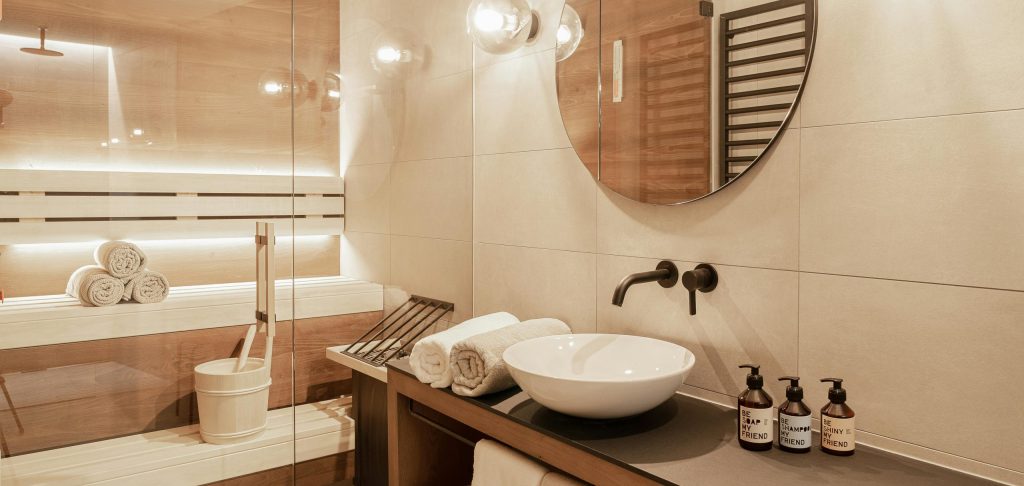
When thoughtfully integrated, technology can quietly support the experience without distracting from it. Discreetly designed tech zones can house screens for guided sessions, integrated sound systems, and intuitive climate controls — keeping essential elements accessible yet unobtrusive.
When incorporating heat therapy, creating gentle transition spaces between the sauna and studio becomes equally as important. These moments might include a cool-down bench, dedicated robe storage, or textured flooring that subtly shifts the sensory experience into the day-to-day, allowing the body to recalibrate as the environment does the same.
The Value of Professional Coordination
Designing a wellness room involves far more than just selecting serene paint colors or natural, spa-like elements. Behind the calm aesthetic lies careful attention to moisture control, acoustics, lighting, millwork detailing, and mechanical coordination — all working quietly together. When saunas are introduced, that level of planning becomes even more essential.
Using a professional partner like Sprinkman Design ensures smooth collaboration between your vision, and the builder and specialized installers. This coordination helps avoid common missteps that go beyond the aesthetic and ensures the space functions beautifully in everyday life, not just in photographs.
Thoughtfully curated, deeply restorative, and uniquely yours — these are the principles we bring to every wellness-focused space we create. From serene escapes to energizing nooks, we design rooms that nurture your mind, body, and soul while feeling effortlessly elevated and comfortable. Whether you’re ready to create a sanctuary that rejuvenates you or make your home feel more like a personal retreat, we’d be thrilled to collaborate. We can’t wait to hear from you.
So let’s take the first step! Contact us for your free introductory call today!