
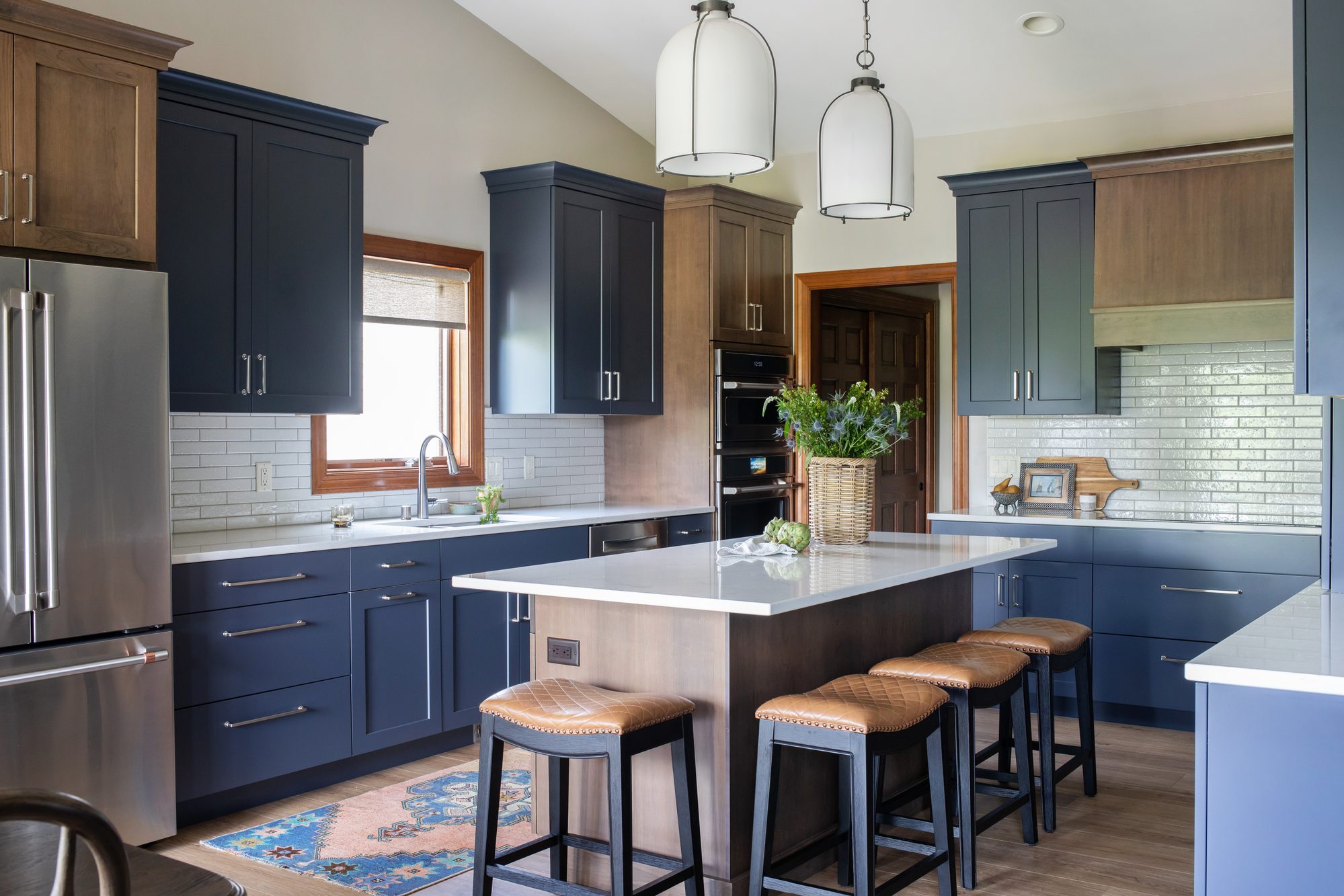
A new build is an incredible opportunity to create a home that truly fits the way you live. Instead of working around the limitations of an existing space, you can thoughtfully shape your home around how you gather, relax, work, and entertain. Of course, building a home also means making hundreds of interconnected (and occasionally head-spinning) decisions, many of them long before construction begins. Luckily, that’s where we come in. An experienced interior design team brings clarity and calm to the process, thoughtfully connecting the architecture, interiors, furnishings, and functional details into a home that feels cohesive, comfortable, and uniquely yours.
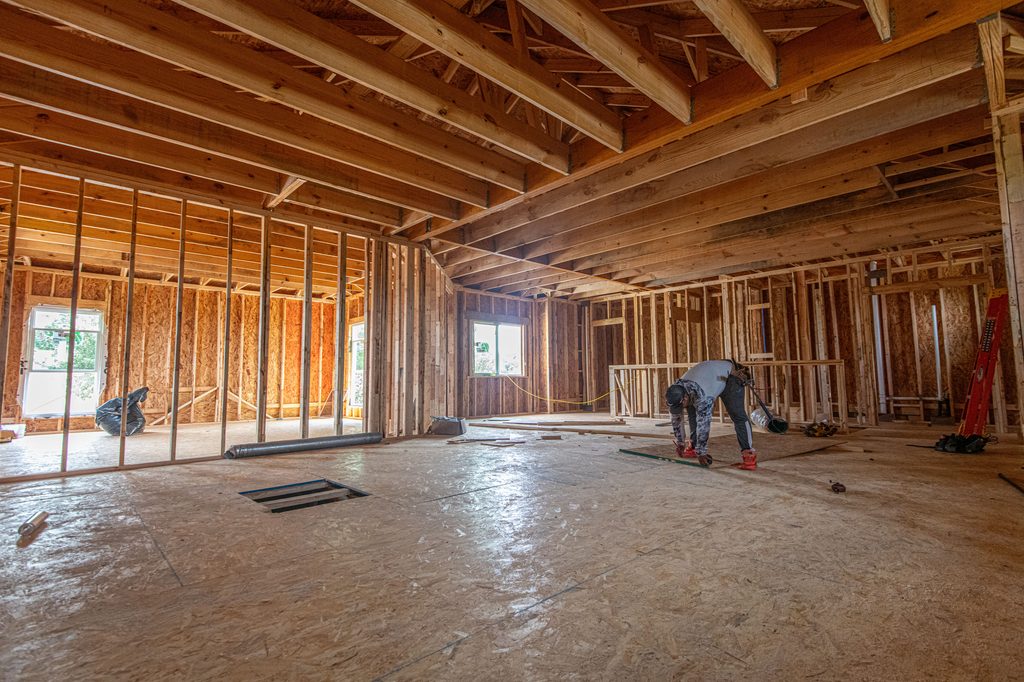
At Sprinkman Design, we believe great design starts long before the first wall goes up. When a designer is involved from the beginning, every decision can be made with the bigger picture in mind: from the flow of the floor plan and placement of lighting to materials, millwork, and the personal details that make a house feel like home.
This early collaboration makes the process seamless, helping homeowners feel confident in their choices, avoids costly changes, and creates a home that feels thoughtful and intentional from the foundation up. Because while there are plenty of decisions to make, “we’ll figure it out later” is rarely the best design strategy.
More Than Just Selecting Finishes
Interior design is about far more than selecting paint colors, countertops, tile, lighting, and furnishings. Some of the most important design decisions happen long before those finishing touches are chosen. An interior designer looks at the home as a complete experience from the beginning, connecting architectural decisions to the way the interiors will ultimately be lived in.
Floor plans, room proportions, window placement, ceiling heights, lighting, cabinetry, plumbing, electrical, and built-ins all contribute to the character and functionality of a space. When these decisions are considered together, the result is a home that feels beautiful and livable.
So, how should you begin? Here are a few tips to consider from the start:


Bring Your Interior Designer in Early
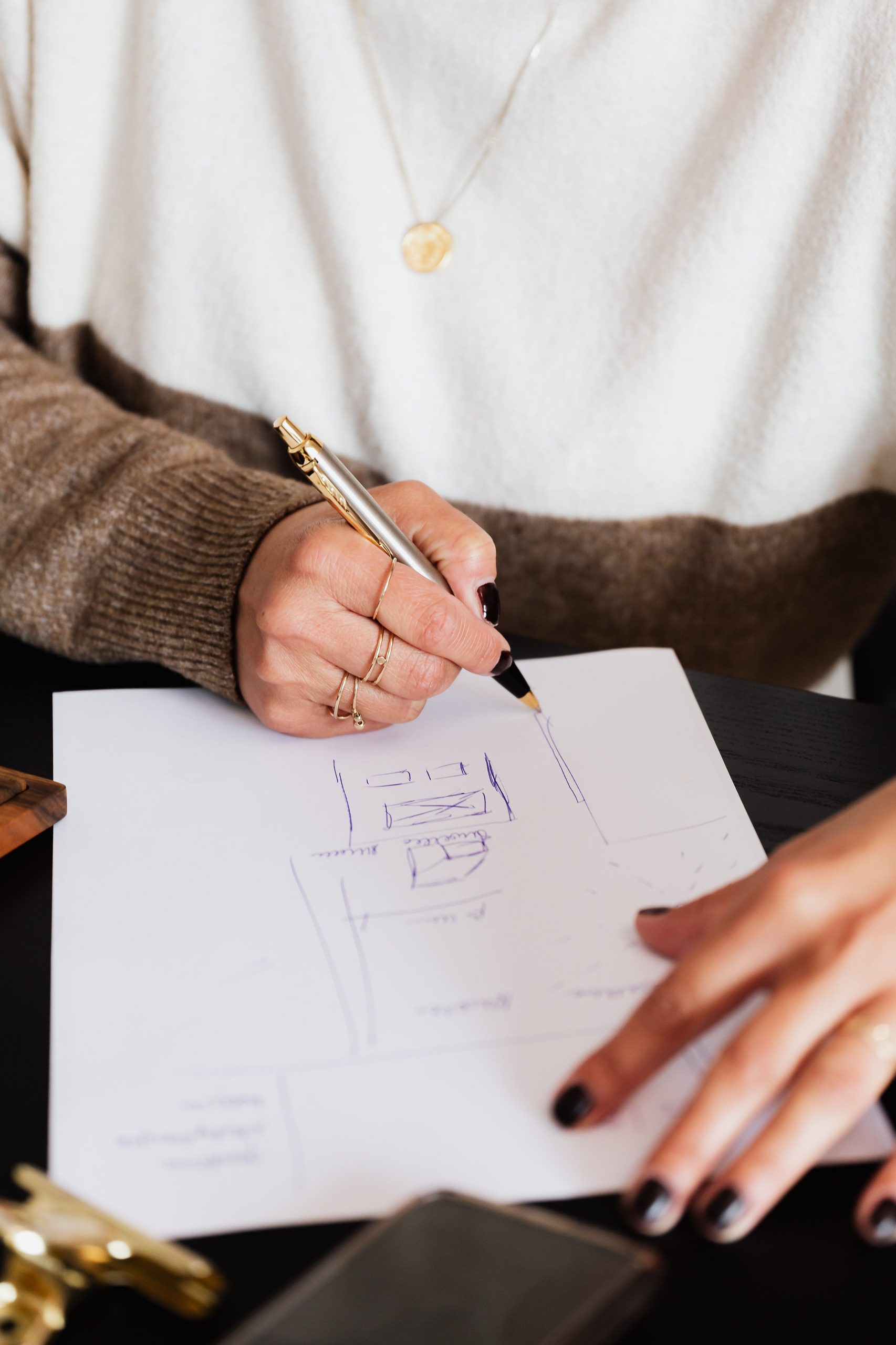
The earlier a designer joins the project, the more opportunities there are to improve the design before changes become costly. Many decisions that have the greatest influence on the finished interiors need to be made before construction begins. Bringing an interior designer into the process early allows them to collaborate alongside the architect and builder, rather than working around decisions that have already been made.
A designer can review plans with an eye toward furniture placement, lighting locations, cabinetry dimensions, electrical needs, sightlines, and everyday function. If an opportunity or issue is identified on paper, it can often be addressed simply. Once framing, drywall, or cabinetry is underway, that same change can become considerably more complicated and expensive. Early collaboration creates a more coordinated process and gives the entire team a shared vision for the finished home.



Make the Floor Plan Work for How You Live
A beautiful floor plan should do more than look good on paper: it should make everyday life feel effortless. One of the greatest advantages of involving an interior designer early is the ability to consider how furniture and people will actually occupy each room. Where will the sofa go? Is there enough room to comfortably pull out dining chairs? What will the television face? How will guests move through the kitchen? Where will everyday clutter land?
Designers consider circulation, storage, entertaining, daily routines, and the relationships between rooms, not simply the dimensions of the rooms themselves. This level of planning can prevent the all-too-common situation of ending up with a beautiful room that doesn’t quite work once you begin living in it. The goal is a home that supports your routines naturally, with spaces that feel as good to use as they do to look at.
Think About Cabinetry Before Construction
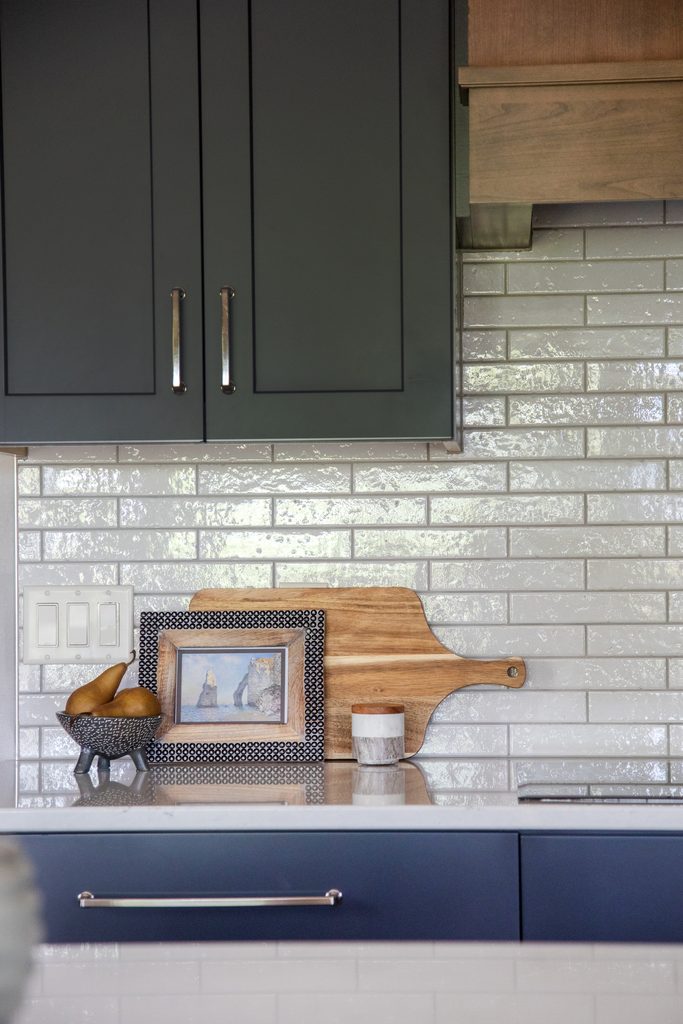
Cabinetry should be designed around both the architecture and the way you intend to use each space. Cabinet dimensions can influence room proportions, window placement, outlet locations, door swings, and appliance placement, making cabinetry an important consideration well before construction begins. Built-ins can also be designed specifically around furniture, objects, and activities. In a kitchen, that might mean determining where baking sheets, spices, pots, pans, or small appliances should live. Details such as pan dividers, spice racks, and specialized storage can make everyday tasks significantly more intuitive.
Of course, the exterior matters, too. Cabinet finish, door style, hardware, proportions, and detailing all contribute to the overall character of the home. An interior designer helps bring these functional and aesthetic decisions together so cabinetry feels intentional rather than simply added to the room.


Don’t Forget the Details
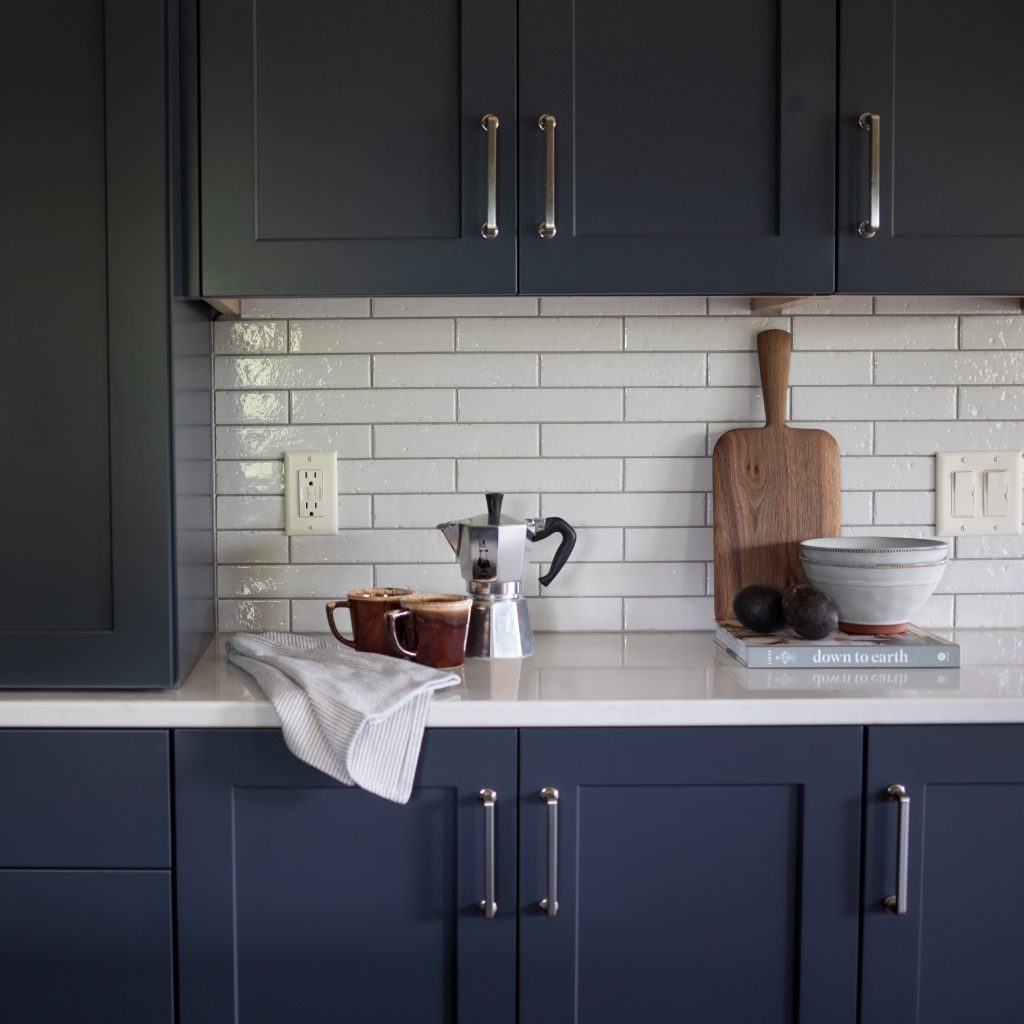
It’s often the small, early decisions that make the biggest difference in how a finished home feels. Lighting placement, outlets and switches, plumbing locations, appliance placement, shower niches, towel bars, mirrors, window treatments, fireplace design, ceiling details, interior doors, trim, flooring transitions, and built-in cabinetry all contribute to the finished experience.
Individually, these details may seem minor. Collectively, they are what make a home feel considered.
An interior designer helps anticipate these decisions and coordinate them across the project, ensuring that practical requirements and aesthetic choices work together rather than competing with one another.
Create a Cohesive Material Palette
A well-designed home starts with a clear material palette, not a collection of individual finish selections. A new build comes with an abundance of choices: flooring, cabinetry, countertops, tile, plumbing fixtures, lighting, paint, hardware, and more each need to be selected, and they all need to relate. Rather than choosing each finish independently, an interior designer can establish an overall palette early in the process. Materials can then be selected based on how they complement one another throughout the home.
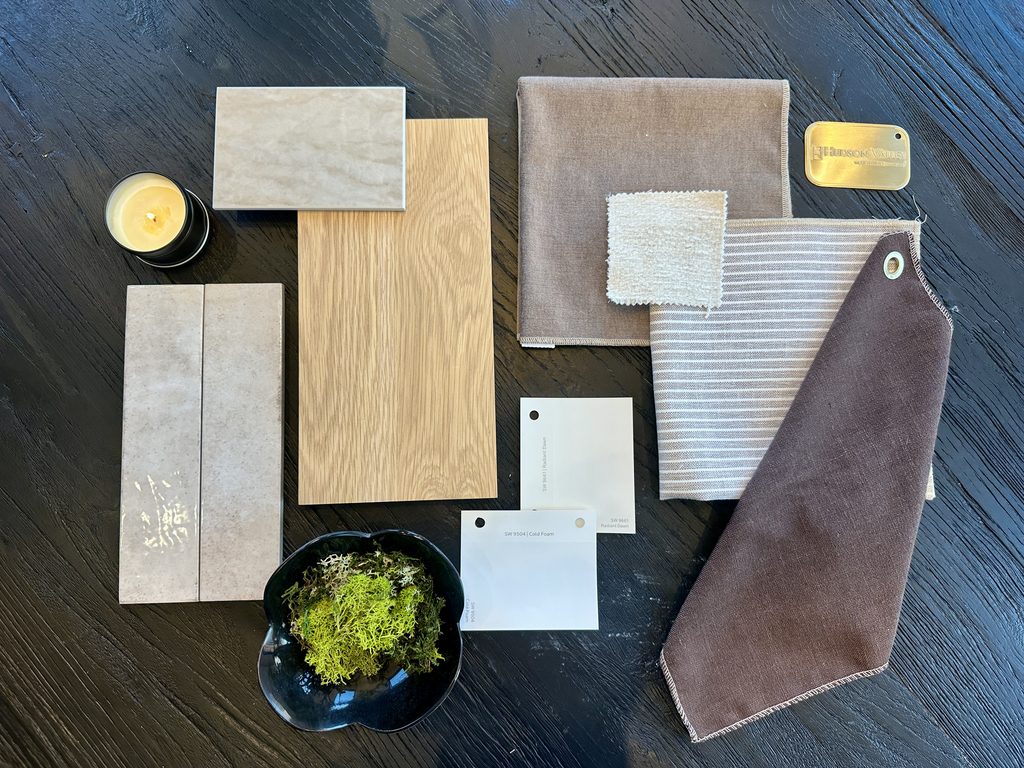
This approach creates continuity while still allowing individual rooms to have their own personality. The result is a home that feels layered and sophisticated versus a series of unrelated selections.
Design With Your Architect and Builder, Not Around Them
The best new-build projects are collaborative from the very beginning. An interior designer can help bridge the space between architectural plans and the finished interiors, working alongside the architect and builder to identify opportunities, resolve details, and keep the larger vision in focus.
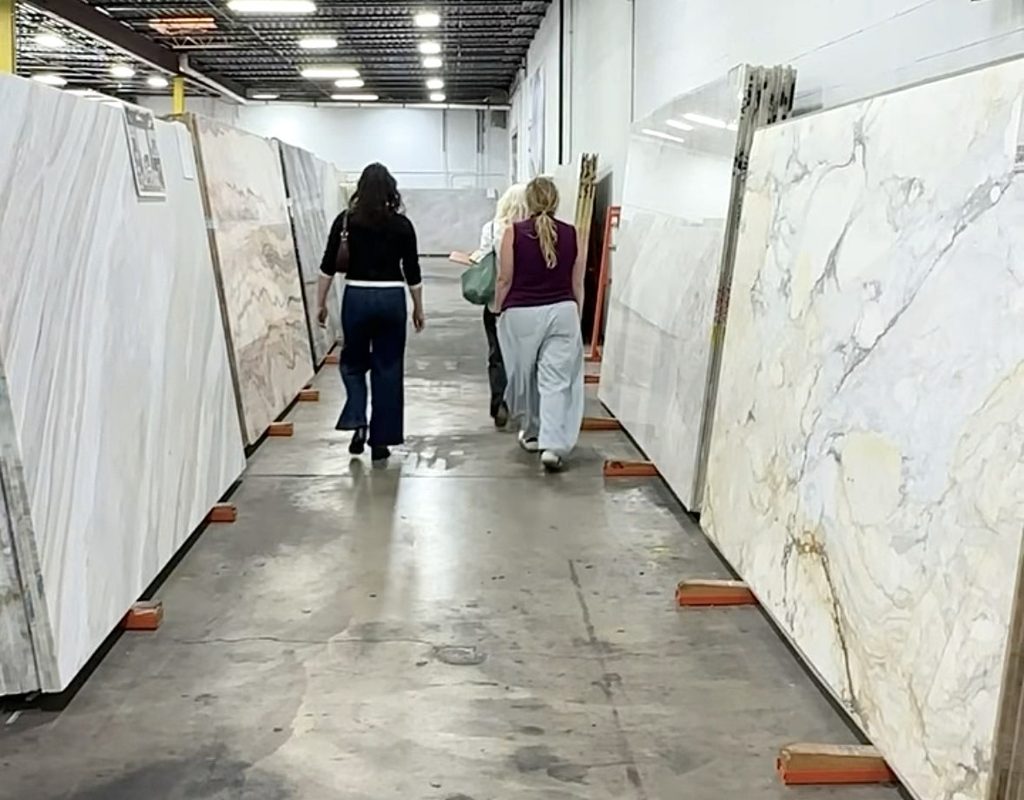

When all three disciplines are communicating from the outset, decisions can be made with a clearer understanding of how they affect one another. Architectural details can support the interiors, interiors can respond to the architecture, and construction can move forward with fewer surprises. The process becomes less about solving problems after the fact and more about creating something intentional from the beginning.
Make Decisions With Confidence
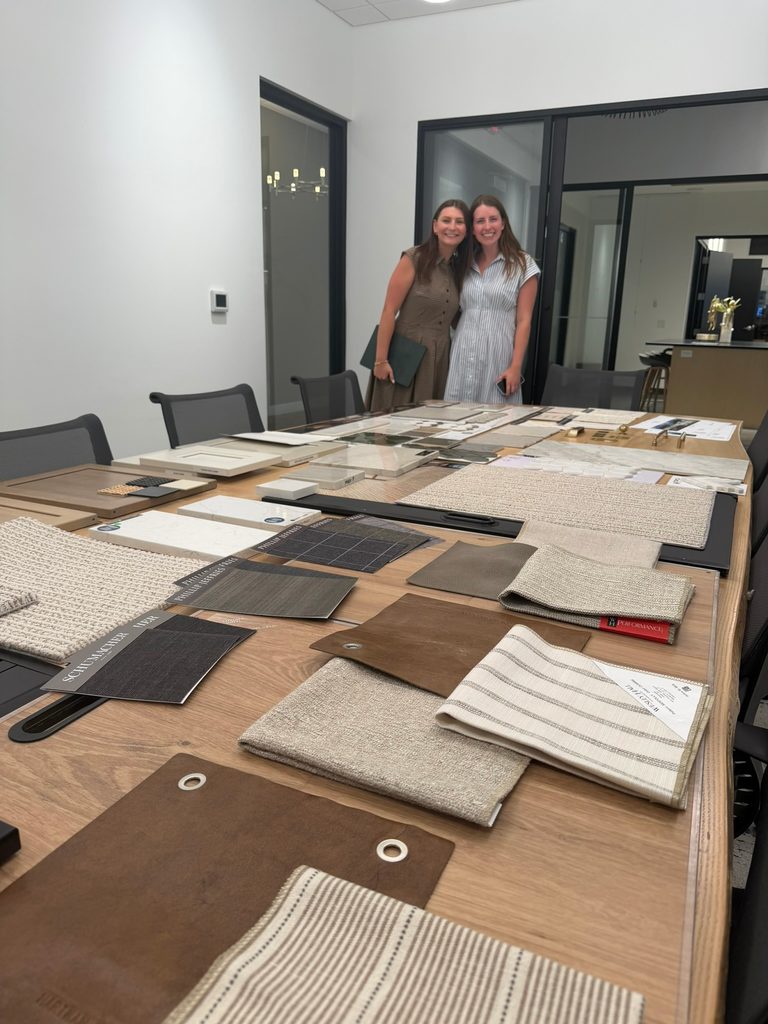
A designer’s job isn’t to give you more choices: it’s to help you make the right choices with confidence. Building a home can be exhilarating, but it can also be overwhelming. There are countless decisions to make, often simultaneously, and more options than anyone could reasonably evaluate.
A designer thoughtfully curates those options based on your aesthetic, priorities, lifestyle, and budget. This allows homeowners to focus their energy on the decisions that matter most rather than becoming consumed by every possible selection. Not every element needs to be the most expensive option. An experienced designer can help establish where it makes sense to invest and where there are opportunities to save, creating a budget that’s purposeful rather than reactive.
Design for the Home You Actually Want to Live In
The greatest luxury of a new build is the ability to design around your life instead of adapting your life to your home. How you entertain, where you gather, how your family moves through the day, what needs to be hidden away, and which rooms need to serve multiple purposes can all inform the design from the beginning. An interior designer’s role is to translate those everyday habits into the physical design of the home. The result is not simply a beautiful house. It is a home that supports the way you live now while offering flexibility for what comes next.
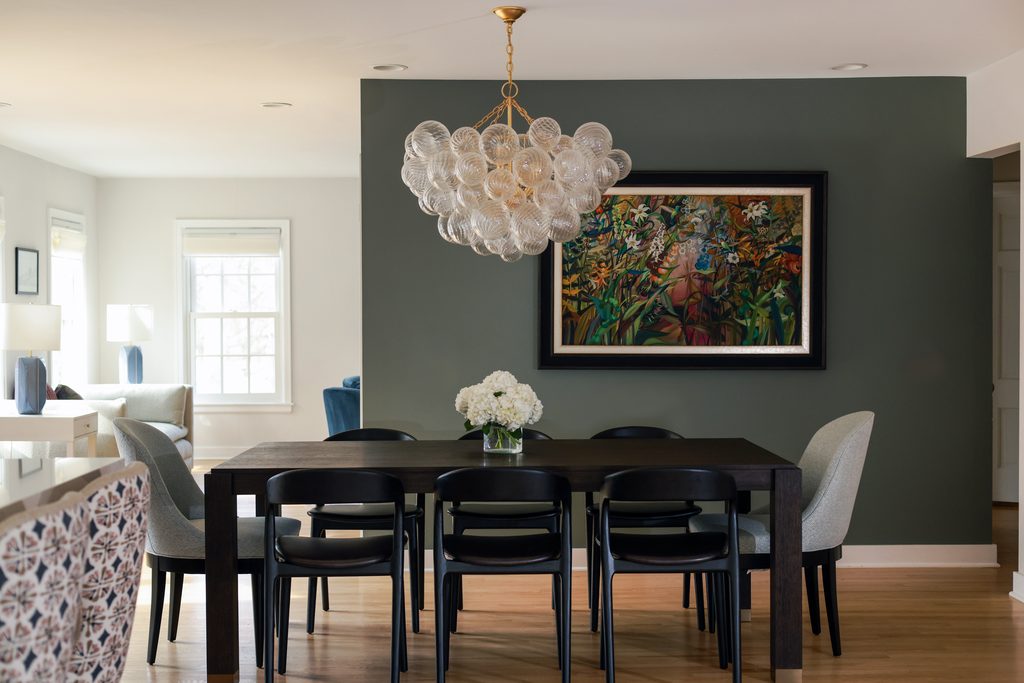
Thinking about building, but don’t know where to start? At Sprinkman Design, we help homeowners bring clarity, cohesiveness, and intention to the new-build process from the first floor plan to the final detail. We know a truly successful new build isn’t simply a beautiful house: it’s a home designed around your life, from the very beginning. When you’re ready to start, we’re ready to help. Let’s connect soon.
So let’s take the first step! Contact us for your free introductory call today!